
Checklist
Move-out cleaning checklist for Plano renters and homeowners
Work top-down, room by room, once the property is empty. Appliance interiors, inside cabinets and floor edges are where move-out inspections are won and lost.
By Hygiene Maids of Plano9 min read
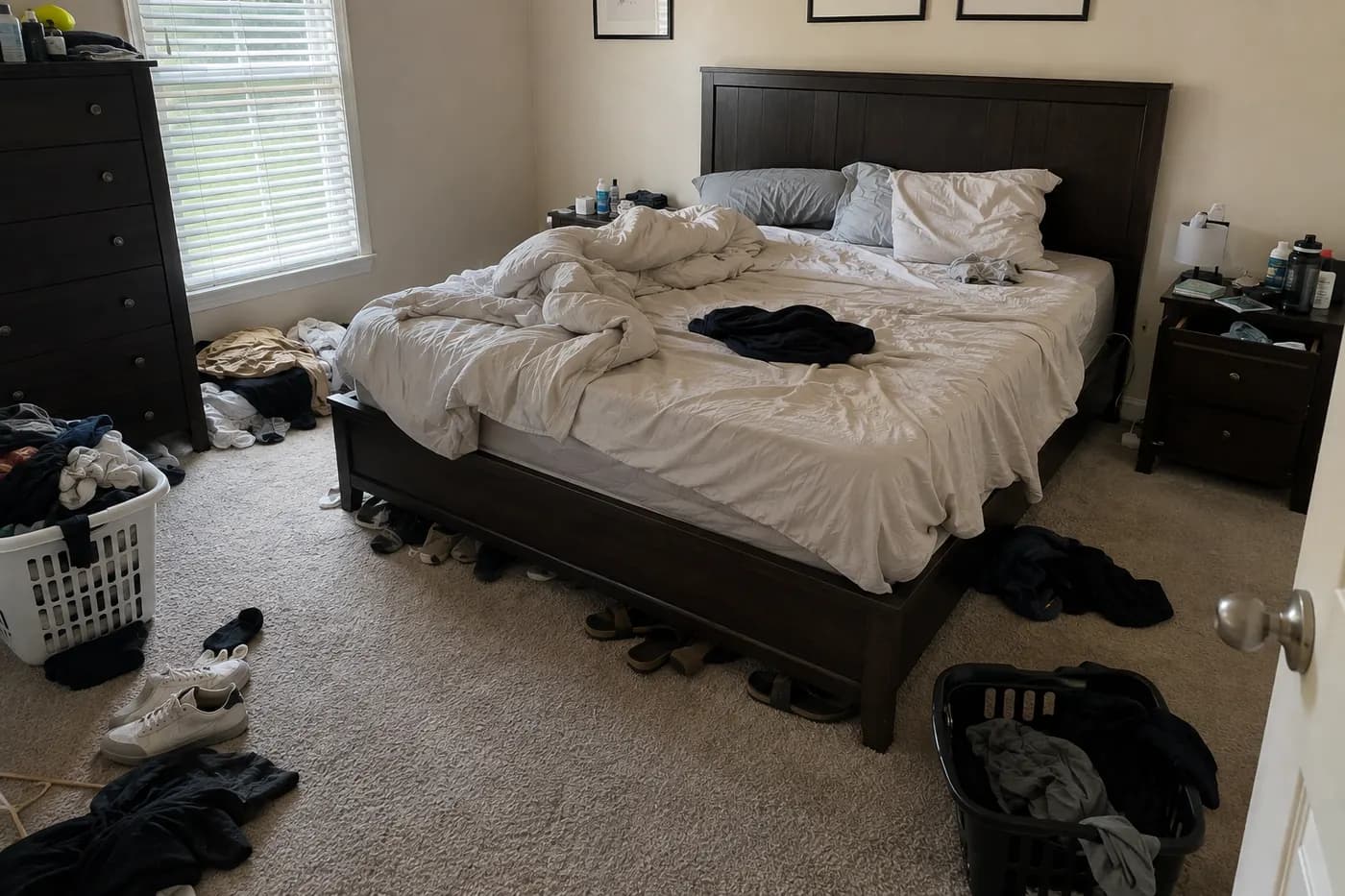
A move-out clean is unlike every other clean for one reason: somebody else grades it. A landlord, a property manager or a buyer walks the property with a list, and they open things. Ovens. Refrigerators. Cabinets. Closets.
Here’s the whole job in the order it’s worth working. If you’d rather hand it over, that’s move-out cleaning.
Work in this order
Sequence matters more here than on any other clean, because an empty property shows every mistake you make.
- 01
Empty it completely first
Don’t start while boxes are still going out. Every item you remove afterwards exposes floor and wall you haven’t touched, and you’ll end up doing rooms twice.
- 02
Check the utilities are still on
Water and power. People switch them off on their move date and then discover they can’t clean. Keep them connected until after the walk-through.
- 03
Work top-down, room by room
Light fittings, upper surfaces, mid-height, baseboards, floors. Dust falls. Cleaning against gravity just means doing surfaces twice.
- 04
Kitchen and bathrooms first
They take the longest and they matter most. Do them while you still have energy, not in geographical order.
- 05
Floors last, working toward the door
Every room, and the property overall, finishing at the exit rather than trapping yourself.
- 06
Carpet cleaning after everything else
If your lease requires it, book it for after the hard cleaning so no dust settles onto freshly cleaned carpet.
Kitchen
The room that decides most inspections. Give it more time than you think it needs.
Kitchen move-out checklist
- Oven interior, racks, and inside the door glass
- Under and behind the oven if it pulls out
- Refrigerator interior, shelves, drawers and door seals
- Behind and underneath the refrigerator
- Dishwasher interior, filter and door seal
- Microwave inside and out, including the turntable
- Every cabinet and drawer cleaned inside
- On top of cabinets and above the refrigerator space
- Cabinet fronts, handles and edges
- Countertops, backsplash and any grout lines
- Sink, drain, faucet and the seal around the sink
- Range hood face, filter area and light
- Grease film on walls near the stove
- Floor, including under where appliances stood
Bathrooms
In North Texas the specific problem is hard water. Mineral scale builds on glass, chrome and around fixtures, and it won’t respond to a general-purpose spray. Budget properly for it.
Bathroom move-out checklist
- Toilet inside, outside, base, hinges and behind
- Shower walls, tub and tile, including grout lines
- Mineral scale on shower glass, both faces
- Shower door track and channel
- Shower head, faucets and all chrome
- Drains and drain covers
- Vanity top, sink and backsplash
- Inside vanity cabinets and drawers
- Mirrors and any mirrored cabinet interior
- Exhaust fan cover and light fittings
- Towel rails, hooks and toilet roll holder
- Floor including behind the toilet and along the tub
Bedrooms and closets
Quick rooms on the whole. Closets are the exception: commonly missed, and one of the first places an inspector looks precisely because they’re easy to check.
Bedroom and closet checklist
- Closet shelving, rails and back corners
- Closet floors and door tracks
- Ceiling fan blades and light fittings
- Window sills, frames and interior glass
- Blinds, slat by slat, and blind cords
- Air vents and return covers
- Baseboards along every wall
- Marks and scuffs where furniture stood
- Switch plates and outlet covers
- Door faces, frames, handles and the top edge of doors
- Floors wall to wall, including under where beds stood
Living areas and throughout
Living areas and whole-property checklist
- Ceiling corners and cobwebs
- Light fittings and ceiling fans
- Fireplace surround and hearth
- Built-in shelving, inside and on top
- Window sills, tracks and interior glass
- All baseboards, in full runs
- Stair treads, risers and banisters
- Hallway and entry floors
- Laundry area, including behind connections
- Utility, pantry and garage entry shelving
- Interior of the front and back doors
- All trash removed from the property
The three most commonly missed items
- The top edge of interior doors. Nobody looks up there while they live somewhere. Everyone who inspects a property runs a finger along one.
- Blinds. Tedious and slow, so they get skipped. Extremely visible when sunlight hits them.
- Air vents and returns. They collect a serious amount over a tenancy in a North Texas home, and the louvres show it instantly.
If you are in an apartment
Apartment move-outs get graded against a written lease standard by a leasing office that inspects units weekly. Quicker and stricter than most private landlords.
- Read the move-out section of your lease before you start. It usually spells out the expectation.
- Check whether professional carpet cleaning is required with a receipt.
- Confirm the key return process and the exact handover time.
- Ask whether you can attend the inspection. Being there is almost always better than not.
- Photograph every room after cleaning, dated, before you hand the keys back.
More on how complex access and lease standards work over on apartment cleaning.
The carpet cleaning clause
Plenty of Texas residential leases include a clause requiring professional carpet cleaning at move-out, often with a receipt as proof. It’s one of the most common reasons a tenant who cleaned thoroughly still gets a deduction.
Three things follow from that:
- Check your specific lease. Requirements vary between landlords and management companies.
- Keep the receipt. If proof is required, a verbal assurance won’t satisfy it.
- Schedule it after the hard cleaning, never before.
Carpet cleaning is a specialist treatment with its own equipment. It’s separate from a move-out clean and should be booked separately.
Being realistic about deposits
Cleaning removes cleaning as a reason to withhold a deposit. That’s the part you control, and it’s worth doing well, because cleaning charges are among the most common deductions.
What it can’t touch: damage, unpaid rent, unapproved alterations, missing items and normal wear. If a carpet is burned, a wall has holes, or a counter is chipped, no amount of scrubbing changes the outcome.
Two things genuinely help. Photograph everything after cleaning, dated. And if you find damage while emptying the property, raise it with your landlord or leasing office before the walk-through. The conversation goes considerably better when you started it.